
In today’s fast-paced world, the logistics industry plays a crucial role in ensuring the smooth flow of goods from manufacturers to consumers. With the advent of cutting-edge technologies, such as Artificial Intelligence (AI), logistics companies are experiencing a paradigm shift in how they operate. AI-powered automation is revolutionizing the way businesses manage their supply chains, leading to increased efficiency, reduced costs, and improved customer satisfaction.
Harnessing the Power of AI Automation in Logistics:
AI has emerged as a game-changer in the logistics industry, offering innovative solutions to complex challenges. From predictive analytics to autonomous vehicles, AI technologies are reshaping every aspect of the supply chain process.
1. Predictive Analytics:
One of the key benefits of AI in logistics is its ability to analyze vast amounts of data to predict future trends and demand patterns. By leveraging machine learning algorithms, logistics companies can anticipate customer needs, optimize inventory levels, and minimize stockouts. This proactive approach not only improves operational efficiency but also enhances customer satisfaction by ensuring timely delivery of goods.
2. Route Optimization:
AI algorithms can optimize delivery routes in real-time, taking into account factors such as traffic conditions, weather forecasts, and vehicle capacities. By identifying the most efficient routes, logistics companies can reduce fuel consumption, minimize transit times, and lower transportation costs. This not only benefits the bottom line but also reduces carbon emissions, contributing to a more sustainable supply chain ecosystem.
3. Warehouse Automation:
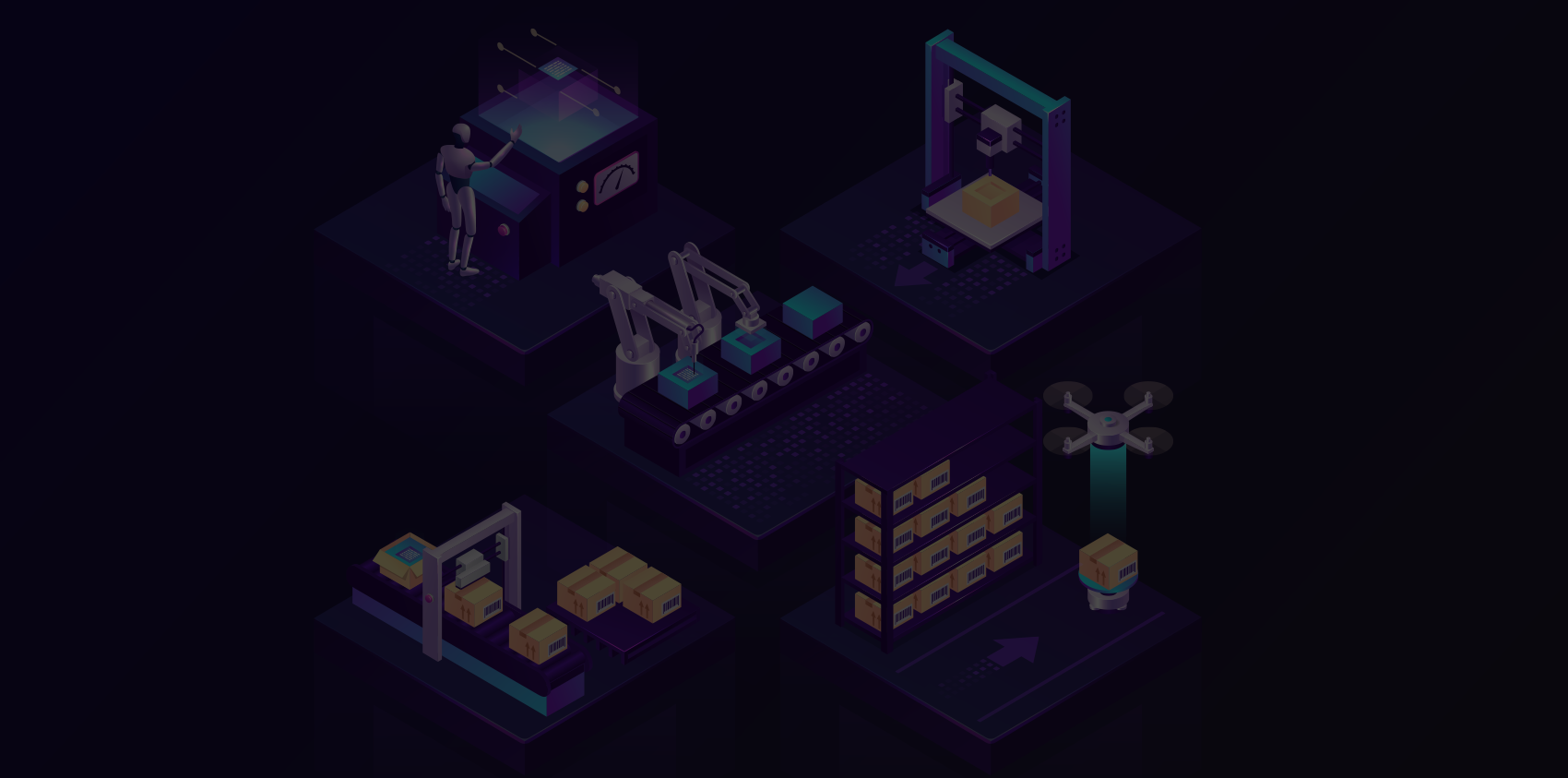
AI-powered robotics and automation technologies are revolutionizing warehouse operations, streamlining order fulfillment processes, and increasing productivity. Automated guided vehicles (AGVs) and robotic pickers can efficiently move and sort inventory, reducing manual labor and minimizing errors. This results in faster order processing, improved inventory accuracy, and ultimately, enhanced customer satisfaction.
4. Autonomous Vehicles:
The emergence of autonomous vehicles, including drones and self-driving trucks, has the potential to transform last-mile delivery operations. AI algorithms enable these vehicles to navigate autonomously, delivering goods safely and efficiently to their destination. By eliminating the need for human drivers, logistics companies can reduce labor costs and mitigate the risks associated with driver shortages and human error.
Benefits of AI Automation in Logistics:
The integration of AI technologies into the logistics industry offers a multitude of benefits, including:
- Increased Efficiency: AI automation streamlines operations, reduces bottlenecks, and improves resource utilization, leading to greater efficiency throughout the supply chain.
- Cost Reduction: By optimizing processes, minimizing errors, and eliminating unnecessary expenses, AI helps logistics companies reduce operational costs and improve profitability.
- Enhanced Visibility: AI-driven analytics provide real-time insights into supply chain performance, enabling better decision-making and proactive risk management.
- Improved Customer Experience: Faster delivery times, accurate order fulfillment, and proactive communication enhance the overall customer experience, driving loyalty and repeat business.
Conclusion:
As the logistics industry continues to evolve, AI automation will play an increasingly vital role in driving efficiency, innovation, and competitiveness. By harnessing the power of AI technologies, logistics companies can optimize their operations, reduce costs, and deliver superior customer experiences. Embracing AI is not just a competitive advantage but a necessity for staying ahead in today’s rapidly changing business landscape. Let’s embrace the future of logistics powered by AI.