
In the fast-paced world of logistics, efficiency, and agility are key to success. To meet the ever-growing demands of the industry, businesses are turning to Software-as-a-Service (SaaS) solutions to streamline their operations. In this blog post, we will explore how SaaS solutions are revolutionizing the logistics sector and discuss their key benefits for businesses.
1. Understanding SaaS Solutions in Logistics
What is SaaS?
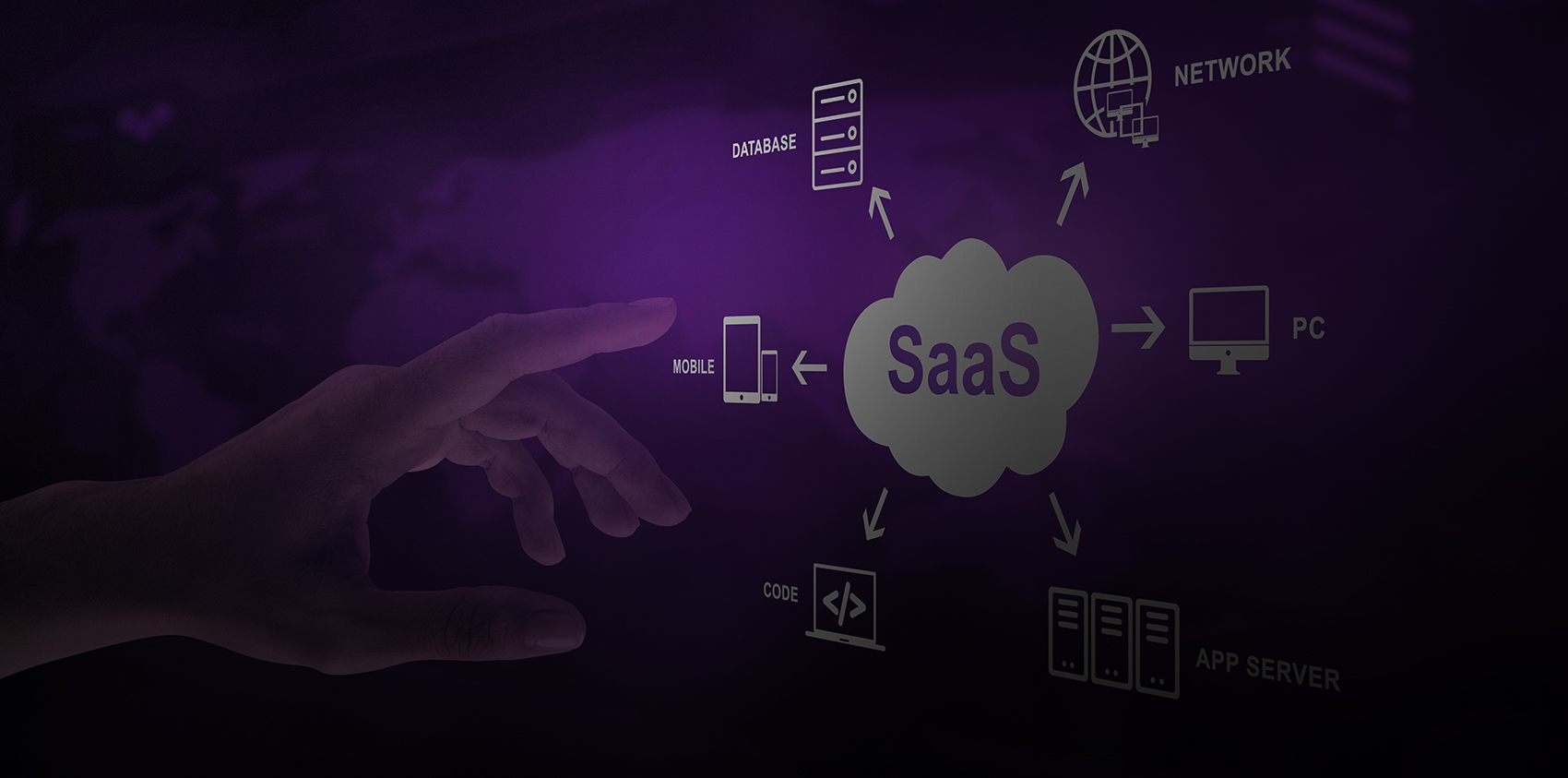
Start by defining SaaS (Software-as-a-Service) and its significance in the logistics industry. Explain how SaaS solutions are hosted in the cloud and accessed via the internet, eliminating the need for on-premises installations.
The Role of SaaS in Logistics
Discuss the challenges faced by logistics companies, such as inventory management, route optimization, and supply chain visibility. Highlight how SaaS solutions provide scalable and customizable tools to address these challenges effectively.
2. Key Benefits of SaaS Solutions in Logistics
Enhanced Efficiency and Scalability
Explaining how it enables logistics companies to automate various processes, resulting in improved efficiency. Discuss how scalability allows businesses to adjust their operations based on demand fluctuations.
Cost Optimization
Highlight the cost advantages of it, such as reduced upfront investment and predictable subscription-based pricing models. Mention how this allows logistics companies to allocate resources more effectively.
Real-Time Data and Analytics
Emphasize the importance of data in logistics operations. Discuss how SaaS solutions provide real-time insights and analytics, empowering businesses to make data-driven decisions and optimize their processes.
Seamless Collaboration and Communication
Explain how SaaS solutions facilitate seamless collaboration between different stakeholders, such as suppliers, manufacturers, and customers. Discuss features like centralized communication platforms and shared data repositories.
3. Common SaaS Solutions for Logistics
Warehouse Management Systems (WMS)
Discuss the benefits of using SaaS-based WMS, such as inventory tracking, order fulfillment, and labor optimization. Highlight how these solutions improve warehouse operations and reduce costs.
Transportation Management Systems (TMS)
Explain how SaaS-based TMS can streamline transportation planning, route optimization, and fleet management. Discuss how these solutions help logistics companies achieve better resource utilization and on-time deliveries.
Supply Chain Visibility Platforms
Highlight the significance of real-time supply chain visibility in logistics. Discuss how it offers end-to-end visibility, allowing businesses to track shipments, monitor inventory levels, and identify bottlenecks.
4. Implementation Considerations
Integration and Customization
Discuss the importance of seamless integration with existing systems and the ability to customize it to meet specific business requirements. Mention the need for a flexible and scalable solution.
Data Security and Compliance
Address concerns related to data security and compliance. Discuss how SaaS providers implement robust security measures and adhere to industry regulations to protect sensitive information.
User Training and Support
Highlight the significance of user training and ongoing support from the SaaS provider. Discuss how a reliable support system ensures smooth adoption and optimal utilization of SaaS solutions.
Conclusion:
SaaS solutions have become a game-changer in the logistics industry, offering businesses the tools they need to navigate the complexities of modern supply chains efficiently. By leveraging it for warehouse management, transportation planning, and supply chain visibility, logistics companies can optimize operations, reduce costs, and enhance customer satisfaction. Embracing SaaS is a strategic move that can give businesses a competitive edge in the ever-evolving logistics landscape.