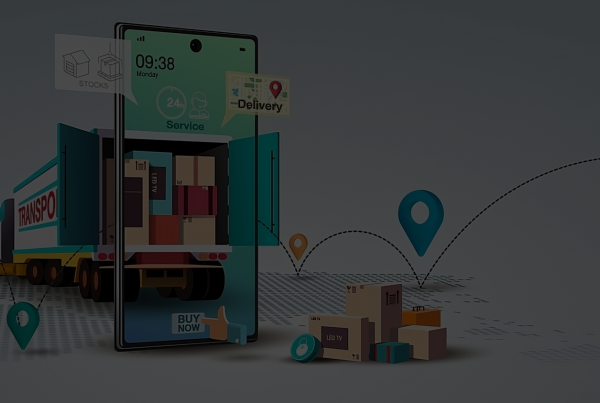


Efficient transportation management is crucial for businesses in our fast-paced and globalized world. Transportation Management Systems (TMS) have revolutionized supply chain operations, logistics, and overall efficiency. This blog will explore TMS intricacies, their key benefits, and their impact on modern logistics.
Understanding Transportation Management Systems (TMS)
Transportation Management Systems (TMS) refer to software solutions designed to facilitate the planning, execution, and optimization of freight movements within a supply chain. TMS solutions are equipped with sophisticated algorithms that help businesses make informed decisions, ensuring the best routes, carriers, and modes of transportation are selected. The primary goal of a TMS is to improve transportation efficiency, reduce costs, enhance visibility, and ultimately deliver a seamless end-to-end logistics experience.
Key Features and Benefits of TMS
Enhanced Shipment Visibility:
One of the most significant advantages of a TMS is the real-time visibility it provides into the movement of goods. This visibility empowers businesses to track shipments, identify potential bottlenecks, and make timely adjustments to maintain an uninterrupted supply chain.
Route Optimization:
TMS systems leverage advanced algorithms to optimize transportation routes based on various factors such as distance, time, carrier capacity, and traffic conditions. This not only reduces transportation costs but also minimizes delivery lead times.
Cost Savings:
By optimizing routes, consolidating shipments, and negotiating favorable contracts with carriers, TMS solutions enable businesses to achieve substantial cost savings in their logistics operations.
Efficient Load Planning:
TMS assists in effective load planning by ensuring that vehicles are fully utilized, avoiding empty spaces that would otherwise incur unnecessary expenses.
Freight Audit and Payment:
TMS automates the freight audit and payment process, reducing the chances of errors, and duplicate payments, and ensuring accurate billing.
Inventory Management:
Through better transportation planning, TMS helps businesses maintain optimal inventory levels, reducing the risk of stockouts and excess inventory costs.
Compliance and Documentation:
TMS solutions assist companies in adhering to transportation regulations and generating the necessary documentation required for freight movements.
Impact on Supply Chain Efficiency
Implementing a robust TMS system can transform the entire supply chain ecosystem. The seamless integration of TMS with other supply chain management tools fosters collaboration between various stakeholders, including suppliers, carriers, and customers. This synchronization ensures a more agile, responsive, and adaptable supply chain, capable of handling sudden changes in demand and market conditions.
Furthermore, TMS solutions facilitate data-driven decision-making. By collecting and analyzing vast amounts of transportation data, businesses can gain valuable insights into their logistics performance, identify areas of improvement, and implement strategic changes to boost overall efficiency.
Challenges and Considerations
Despite the numerous benefits of TMS, its implementation may pose some challenges. Integration with existing enterprise systems, data compatibility, and employee training are some of the common obstacles that companies may encounter. However, with careful planning, expert guidance, and effective change management, these challenges can be overcome, ensuring a successful TMS adoption.
Conclusion
Transportation Management Systems have emerged as a game-changer in the logistics industry, redefining how companies manage their transportation processes. By harnessing the power of TMS, businesses can achieve cost savings, improved operational efficiency, enhanced visibility, and a competitive advantage in today’s dynamic business landscape. Embracing this technology is no longer an option but a necessity for companies striving to stay ahead in the race to excellence in logistics.