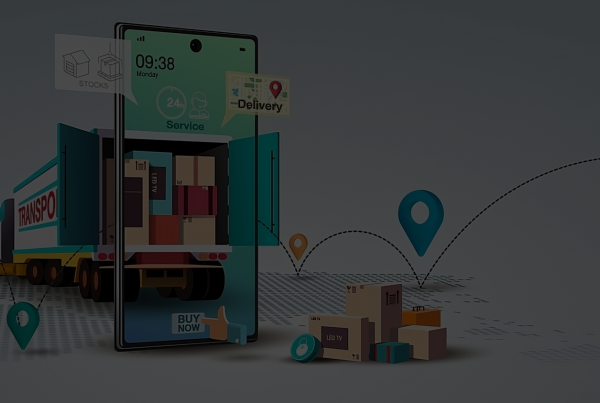


The logistics industry, in the midst of a profound transformation, is experiencing a momentous shift due to advancements in technology, evolving consumer expectations, and a growing global emphasis on sustainability. As we venture into the year 2023 and beyond, this sector stands on the brink of revolutionary changes that will fundamentally alter how goods are transported, stored, and delivered. In this blog, we shall delve into some key trends and developments that are currently shaping the future of logistics, unveiling the exciting possibilities that await on the horizon.
Emergence of Autonomous Vehicles and Drones
One of the most exciting developments in the logistics sector is the rise of autonomous vehicles and drones. In 2023, we can expect to see further advancements in self-driving trucks and delivery drones, enabling faster and more efficient last-mile deliveries. These technologies have the potential to reduce operational costs, minimize human error, and enhance the speed and accuracy of deliveries, especially in urban areas.
Blockchain for Enhanced Transparency and Traceability
Blockchain technology is poised to revolutionize supply chain transparency and traceability. It achieves this by providing an immutable and tamper-proof record of transactions, enabling efficient tracking of products from origin to the final destination. Such transparency significantly reduces fraud and enhances inventory management, ensuring the authenticity of products. Ultimately, this fosters greater trust between suppliers, retailers, and consumers.
Smart Warehousing and Inventory Management
The integration of Internet of Things (IoT) devices and sensors within warehouses will become more prevalent in the coming years. Smart warehouses equipped with real-time tracking and inventory management systems will optimize storage space, streamline order fulfillment, and reduce inefficiencies. Predictive analytics powered by AI will also play a crucial role in forecasting demand, allowing companies to maintain optimal inventory levels.
Sustainable Logistics and Green Initiatives
As environmental concerns take center stage, the logistics industry is embracing sustainable practices. Electric and hydrogen-powered vehicles are becoming more commonplace, reducing carbon emissions and minimizing the industry’s ecological footprint. Additionally, the adoption of circular economy principles will lead to innovative packaging solutions and more efficient reverse logistics processes.
Artificial Intelligence and Data Analytics
The power of artificial intelligence and data analytics will continue to reshape the logistics landscape. AI-driven algorithms can optimize route planning, enhance predictive maintenance, and improve demand forecasting. By analyzing vast amounts of data, companies can make informed decisions that drive operational efficiency and improve customer satisfaction.
Collaborative and Shared Logistics Networks
Collaborative logistics models are gaining traction, enabling multiple companies to share transportation resources and distribution networks. By working together, businesses can reduce costs, minimize empty truckloads, and efficiently use resources. This trend is likely to foster greater cooperation among industry players, leading to a more interconnected and resilient logistics ecosystem.
Augmented Reality for Training and Operations
Augmented reality (AR) is set to play a vital role in training and enhancing operations within the logistics sector. AR technology can provide real-time guidance to warehouse workers, simplify complex assembly processes, and facilitate remote maintenance and repairs. This not only improves efficiency but also reduces the learning curve for new employees.
Conclusion
The logistics industry is on the verge of a technological revolution, and 2023 promises to be pivotal for shaping its future. Automation, AI, blockchain, and sustainability practices will redefine supply chain management, enhancing operational efficiency. Customer-centric innovations and last-mile solutions will bridge the gap between logistics providers and consumers. Embracing these transformative trends will lead to a more efficient, sustainable, and customer-centric logistics landscape in the coming years. Success in the dynamic world of logistics hinges on businesses’ ability to embrace these advancements and stay competitive.