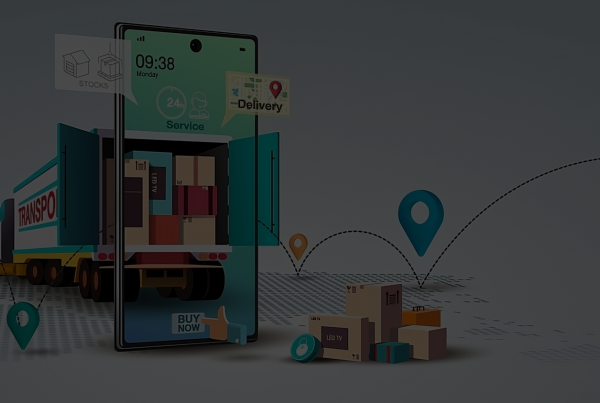


In today’s fast-paced business world, efficient logistics management is crucial for success. To streamline operations, reduce costs, and improve customer satisfaction, many companies are turning to logistics software solutions. These advanced tools leverage technology to optimize supply chain processes, enhance visibility, and automate various tasks. In this blog article, we will explore some of the best logistics software solutions available in the market, along with real examples of companies that have successfully implemented them.
1. Transportation Management System (TMS):
A Transportation Management System (TMS) is a powerful logistics software that helps businesses manage their transportation operations effectively. It enables companies to plan and optimize routes, track shipments, manage carrier contracts, and streamline freight billing and payments. TMS solutions provide real-time visibility into shipments, allowing businesses to monitor their movement from origin to destination. This visibility helps in proactively addressing any delays or issues that may arise during transit, ensuring timely delivery. Additionally, TMS software can optimize route planning, considering factors such as distance, traffic, and delivery schedules, leading to cost savings and improved efficiency.
Real Example:
FedEx, one of the world’s leading logistics companies, utilizes a TMS to manage its extensive transportation network. FedEx’s TMS, known as FedEx Transportation Management, enables the company to optimize routes, track shipments in real-time, and provide accurate delivery estimates to its customers. By leveraging this software, FedEx has significantly improved its operational efficiency and customer service.
2. Warehouse Management System (WMS):
A Warehouse Management System (WMS) is designed to streamline warehouse operations, inventory management, and order fulfillment processes. WMS solutions provide real-time visibility into inventory levels, automate picking and packing tasks, and improve overall warehouse efficiency. They enable businesses to track the movement of goods within the warehouse, optimize storage space, and ensure accurate inventory counts. By automating manual processes and reducing errors, WMS software enhances productivity, speeds up order fulfillment, and improves customer satisfaction.
Real Example:
Amazon, the e-commerce giant, relies heavily on WMS to manage its vast network of fulfillment centers. Amazon’s WMS optimizes inventory placement, tracks inventory movements, and enables efficient order picking and packing. By leveraging this software, Amazon can deliver millions of packages quickly and accurately, ensuring a seamless customer experience.
3. Inventory Management System:
An Inventory Management System is essential for businesses that deal with inventory-intensive operations. It helps optimize inventory levels, minimize stockouts, and prevent overstocking. Inventory management software gives businesses real-time visibility into their inventory, allowing them to track stock movements, manage suppliers, forecast demand, and generate insightful reports. By streamlining inventory management processes, businesses can reduce carrying costs, improve order fulfillment rates, and enhance overall operational efficiency.
Real Example:
Walmart, a multinational retail corporation, utilizes an advanced inventory management system to handle its extensive product range. Walmart’s inventory management system enables the company to keep track of inventory levels across thousands of stores, manage stock replenishment, and optimize the availability of products to meet customer demand. By leveraging this software, Walmart can ensure efficient inventory management across its vast supply chain network.
4. Supply Chain Analytics:
Supply Chain Analytics software leverages data and analytics to gain valuable insights into supply chain performance. It enables businesses to analyze key metrics, identify bottlenecks, optimize processes, and make data-driven decisions. By integrating data from various sources, such as sales, procurement, and logistics, supply chain analytics software provides end-to-end visibility and helps businesses identify opportunities for improvement. These tools enable businesses to optimize inventory levels, improve demand forecasting accuracy, enhance supplier performance, and streamline overall supply chain operations.
Real Example:
Procter & Gamble (P&G), a multinational consumer goods corporation, uses supply chain analytics software to optimize its global supply chain network. P&G’s supply chain analytics solution, SAP’s Integrated Business Planning (IBP), enables the company to analyze data from various sources, identify opportunities for cost reduction, enhance demand forecasting accuracy, and improve overall supply chain efficiency. By leveraging this software, P&G has been able to streamline its supply chain operations, reduce costs, and deliver products more efficiently to its customers.
Conclusion:
Investing in the right logistics software solutions can significantly benefit your business by improving operational efficiency, reducing costs, and enhancing customer satisfaction. The examples mentioned above, including TMS, WMS, inventory management systems, and supply chain analytics tools, highlight how industry leaders have successfully implemented these solutions to gain a competitive edge. Evaluate your business requirements, explore the options available, and choose the logistics software that aligns best with your specific needs and goals.