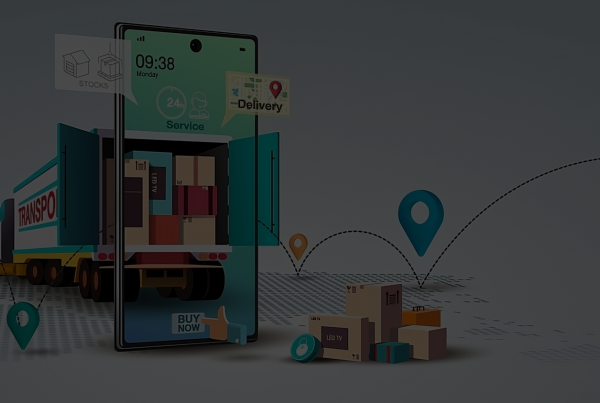

In today’s fast-paced world, businesses rely heavily on efficient and reliable logistics operations to meet customer expectations. A critical aspect of successful logistics management is real-time shipment tracking, which enables businesses to monitor the movement of goods from the point of origin to the final destination. Real-time shipment tracking software has emerged as a game-changer, providing businesses with unparalleled visibility, transparency, and control over their supply chain operations. In this blog, we will explore the benefits and functionalities of real-time shipment tracking software and how it revolutionizes the logistics industry.
Increased Visibility:
Real-time shipment tracking software empowers businesses with real-time visibility into their supply chain. It provides detailed insights into the current location, estimated arrival time, and other relevant data of each shipment. With this information, companies can proactively address potential delays, optimize routes, and allocate resources efficiently. Enhanced visibility also enables businesses to provide accurate delivery updates to customers, thereby improving customer satisfaction and loyalty.
Efficient Resource Allocation:
With real-time shipment tracking, logistics managers can allocate resources more efficiently. They can monitor the movement of shipments and adjust schedules, routes, and transportation modes accordingly. By identifying inefficiencies in the logistics process, such as idle time or unnecessary detours, businesses can optimize their operations, reduce costs, and improve overall productivity.
Improved Customer Experience:
Customers today expect real-time updates on the status of their shipments. Real-time shipment tracking software enables businesses to provide accurate and up-to-date information to customers, ensuring transparency and reducing anxiety about the delivery process. By offering proactive notifications, such as delivery delays or schedule changes, businesses can manage customer expectations effectively and deliver a superior customer experience.
Streamlined Collaboration:
Real-time shipment tracking software facilitates seamless collaboration among all stakeholders in the supply chain. It enables suppliers, carriers, and customers to access the same real-time information, fostering better communication and coordination. This shared visibility helps resolve issues quickly, reduce errors, and improve overall efficiency across the supply chain.
Data-Driven Decision-Making:
Real-time shipment tracking software generates a wealth of data that businesses can leverage to make informed decisions. By analyzing historical data, businesses can identify trends, optimize routes, and forecast demand accurately. Data-driven insights help in identifying bottlenecks, optimizing inventory levels, and improving overall supply chain performance.
Enhanced Security:
It often includes advanced security features, such as tamper-proof seals, geofencing, and alerts for unexpected events. These features help mitigate the risk of theft, damage, or unauthorized access during transit. With enhanced security measures, businesses can safeguard their valuable shipments and ensure that goods reach their destinations intact.
Conclusion:
Real-time shipment tracking software has transformed the logistics industry by providing businesses with unparalleled visibility and control over their supply chain operations. By harnessing the power of real-time data and leveraging advanced features, businesses can optimize routes, allocate resources efficiently, improve customer experience, and make data-driven decisions. As the global marketplace becomes increasingly competitive, investing in real-time shipment tracking software is no longer a luxury but a necessity for businesses that seek to thrive in the fast-paced world of logistics.