In today’s fast-paced and interconnected world, the ability to track and manage assets efficiently is essential for businesses across various industries. Traditional asset tracking methods, such as manual logs and barcode systems, are becoming obsolete in the face of a more innovative and powerful solution – Radio-Frequency Identification (RFID) combined with the Internet of Things (IoT). This dynamic duo is revolutionizing asset tracking, offering a level of accuracy, automation, and real-time insights that were previously unimaginable.
RFID: The Backbone of Asset Tracking
RFID technology employs electromagnetic fields to automatically identify and track tags attached to objects. These tags contain electronically stored information, and when they come into the range of an RFID reader, data is transmitted wirelessly. Unlike traditional barcode systems, RFID does not require line-of-sight scanning, which means it can read multiple tags simultaneously, even if they are not within direct line of sight. This fundamental advantage makes RFID a game-changer in asset tracking.
IoT: The Gateway to Real-Time Data
The Internet of Things, or IoT, encompasses the vast network of interconnected devices and sensors that collect and share data in real-time. When combined with RFID, it amplifies the capabilities of asset tracking exponentially. RFID tags attached to assets can be integrated into IoT networks, enabling seamless communication with central systems. The result is a constant stream of data that provides up-to-the-minute information on an asset’s location, status, and condition.
Transforming Asset Tracking: Benefits and Applications
1. Enhanced Visibility
RFID and IoT provide a real-time view of asset locations, even in large, complex environments. This visibility helps companies reduce the risk of loss or theft and streamlines asset utilization, ultimately improving operational efficiency.
2. Improved Accuracy
RFID and IoT minimize manual data entry and human errors, ensuring that asset tracking becomes more precise and reliable. Businesses can trust that the data they receive is accurate and up-to-date.
3. Cost Savings
Reducing the time and effort required for asset tracking yields significant cost savings. Fewer man-hours are needed for tracking, and assets are less likely to be misplaced, leading to a reduction in replacement costs.
4. Compliance and Security
RFID and IoT provide a means to maintain compliance with regulatory requirements and enhance security measures. Assets can be tracked and monitored, reducing the risk of unauthorized access and misuse.
5. Data-Driven Insights
Analyzing the continuous flow of real-time data generated by RFID and IoT can help identify trends and patterns, allowing for the making of informed decisions about asset management, maintenance, and resource allocation.
Practical Applications
The integration of RFID and IoT has wide-ranging applications across industries:
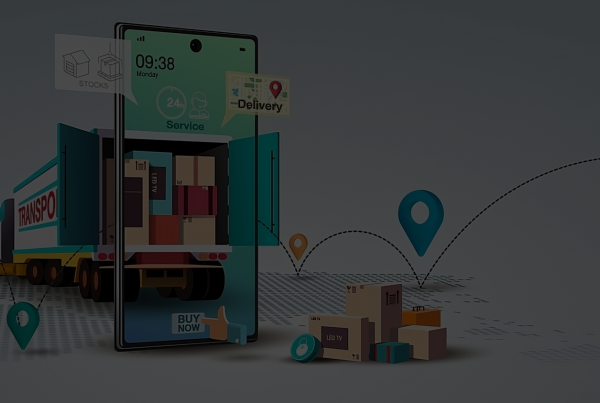
Logistics and Supply Chain: RFID and IoT help monitor shipments, optimize inventory management, and enhance supply chain transparency.
Healthcare: Hospitals can keep tabs on medical equipment, ensuring that they are readily available when needed, and easily locate assets in emergencies.
Manufacturing: Factories can streamline production and maintenance processes, ensuring that tools and equipment are in the right place at the right time.
Retail: Retailers can improve inventory control and reduce shrinkage by tracking products and assets accurately.
Agriculture: Farmers can monitor the location and health of livestock and equipment, enabling better resource management.
Embracing the Future
In conclusion, RFID and IoT are transforming asset tracking, providing businesses with unprecedented visibility, accuracy, and real-time data. By integrating these technologies into their operations, companies can streamline processes, reduce costs, enhance security, and make data-driven decisions. Embracing this technology is not just an option; it’s a necessity for staying competitive in today’s fast-paced world. As we move forward, we can expect even more innovative applications of RFID and IoT in asset tracking, ushering in an era of increased efficiency and productivity.