
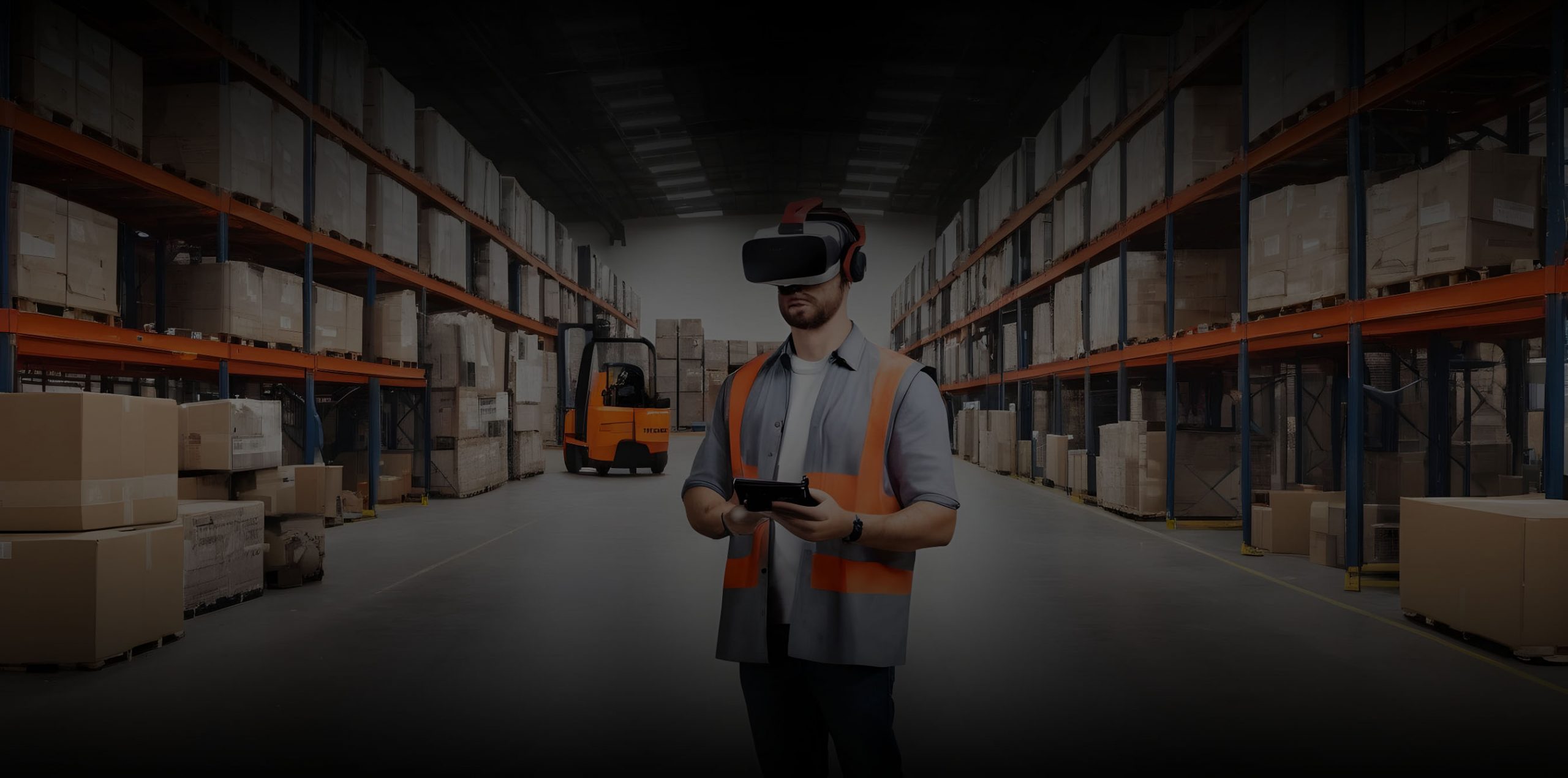
In the ever-evolving landscape of logistics, enterprises are constantly seeking innovative solutions to streamline operations, optimize efficiency, and enhance productivity. In recent years, Augmented Reality (AR) and Virtual Reality (VR) technologies have emerged as powerful tools with the potential to revolutionize the logistics industry. By integrating AR and VR into their operations, enterprises can unlock a myriad of benefits, from improved training processes to enhanced warehouse management and customer service.
The Power of Augmented Reality in Logistics
Augmented Reality overlays digital information onto the real-world environment, providing users with valuable insights and guidance in real-time. In the realm of logistics, AR holds tremendous potential for optimizing various processes:
1. Enhanced Training Programs:
AR-enabled training modules offer immersive learning experiences for logistics personnel. Employees can visualize complex workflows, equipment operation procedures, and safety protocols in a simulated environment. This hands-on approach not only accelerates the learning curve but also minimizes the risk of errors and accidents in the workplace.
2. Pick-and-Pack Operations:
AR technology can streamline order fulfillment processes by guiding warehouse workers through optimal picking routes and item locations. By superimposing digital labels or instructions onto physical objects, AR solutions enable faster and more accurate picking, resulting in reduced fulfillment times and improved inventory accuracy.
3. Remote Assistance:
AR-enabled remote assistance tools allow logistics experts to provide real-time guidance to field personnel or partners situated in different locations. By sharing visual annotations, instructions, and troubleshooting steps, remote experts can resolve issues efficiently, minimizing downtime and maximizing operational uptime.
Revolutionizing Logistics with Virtual Reality
Virtual Reality immerses users in entirely digital environments, offering limitless possibilities for training, simulation, and visualization. In the logistics sector, VR technology is poised to transform numerous facets of operations:
1. Simulation-Based Training:
VR simulations replicate real-world logistics scenarios, enabling employees to practice their skills in a safe and controlled environment. From operating forklifts to navigating complex supply chain networks, VR training programs empower personnel to develop proficiency and confidence without risking equipment damage or workflow disruptions.
2. Warehouse Design and Layout Planning:
VR enables enterprises to visualize and optimize warehouse layouts before construction or reconfiguration. By creating virtual replicas of facilities, logistics managers can experiment with different storage configurations, aisle layouts, and equipment placements to maximize space utilization, minimize congestion, and enhance workflow efficiency.
3. Collaborative Planning and Decision-Making:
VR collaboration platforms facilitate remote meetings and brainstorming sessions among distributed teams. By immersing participants in shared virtual environments, these tools foster creativity, enhance communication, and accelerate decision-making processes related to logistics strategy, inventory management, and supply chain optimization.
Conclusion
In conclusion, Augmented Reality and Virtual Reality technologies offer transformative opportunities for enterprises seeking to optimize their logistics operations. By harnessing the power of AR and VR, organizations can enhance employee training programs, streamline warehouse operations, improve decision-making processes, and ultimately deliver superior service to customers. As these technologies continue to evolve and become more accessible, forward-thinking enterprises must embrace AR and VR solutions to stay competitive in an increasingly dynamic marketplace.