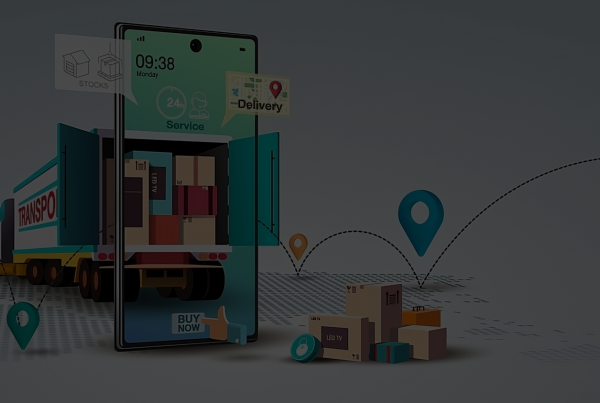

In the fast-paced world of logistics, efficiency is key. Every minute saved, every process streamlined, can make a significant difference in the success of a logistics company. In today’s digital age, one of the most powerful tools at a logistics company’s disposal is a mobile app. With the capability to revolutionize operations, enhance communication, and provide real-time insights, a mobile app can be a game-changer for any logistics firm. Let’s delve into the myriad benefits of having a mobile app for your logistics company:
1. Enhanced Visibility and Tracking
A mobile app can provide real-time tracking of shipments, vehicles, and inventory. This transparency not only reassures customers but also allows logistics managers to monitor operations closely. With GPS integration, stakeholders can track shipments at every stage of the supply chain, from warehouse to delivery, ensuring timely arrivals and reducing the risk of lost or delayed shipments.
2. Improved Communication and Collaboration
Effective communication is the backbone of successful logistics operations. A mobile app facilitates seamless communication between drivers, warehouse staff, and management. Features such as instant messaging, push notifications, and task assignments enable teams to stay connected and respond promptly to changes or issues that arise during transit.
3. Optimal Route Planning and Optimization
Route planning is a critical aspect of logistics management, influencing fuel efficiency, delivery times, and overall cost-effectiveness. A mobile app equipped with route optimization algorithms can analyze factors like traffic conditions, weather forecasts, and delivery schedules to suggest the most efficient routes for drivers. By minimizing detours and idle time, companies can reduce fuel consumption and improve overall fleet productivity.
4. Paperless Documentation and Compliance
Gone are the days of cumbersome paperwork and manual documentation processes. A mobile app can digitize essential documents such as invoices, bills of lading, and proof of delivery. This not only reduces the risk of errors or misplaced paperwork but also ensures compliance with regulatory requirements. Drivers can conveniently upload and share documents directly from their mobile devices, eliminating the need for physical paperwork and streamlining administrative tasks.
5. Customer Satisfaction and Loyalty
In today’s competitive market, exceptional customer service is paramount. A mobile app can enhance the customer experience by providing features such as real-time shipment tracking, delivery notifications, and easy access to support channels. Customers appreciate the convenience and transparency offered by mobile apps, leading to increased satisfaction and loyalty towards the logistics company.
6. Data Analytics for Continuous Improvement
Data is a valuable asset in the logistics industry, offering insights into performance metrics, customer preferences, and market trends. A mobile app can collect and analyze data on various aspects of operations, enabling companies to identify areas for improvement and make data-driven decisions. By leveraging analytics, logistics firms can optimize processes, reduce costs, and stay ahead of the competition.

Conclusion
In conclusion, investing in a mobile app can yield substantial benefits for logistics companies. From improved visibility and communication to enhanced efficiency and customer satisfaction, a mobile app can revolutionize the way logistics operations are managed. By embracing digital innovation, companies can stay agile, competitive, and poised for growth in today’s dynamic business environment. It’s clear that in the digital age, the future of logistics is mobile.