

In recent years, on-demand delivery services have revolutionized the way we shop, eat, and receive goods. With a few taps on a smartphone, we can now have groceries, meals, packages, and even rides delivered right to our doorstep. This blog aims to explore the concept of on-demand delivery, delve into its mechanics, and shed light on how it operates in today’s fast-paced digital world.
Understanding On-Demand Delivery:
On-demand delivery refers to a service model that allows customers to request and receive products or services immediately or within a short timeframe. It leverages technology and a network of drivers or couriers to fulfill these requests swiftly. The rise of smartphones and mobile apps has played a significant role in making on-demand delivery widely accessible to consumers.
Key Players:
Several key players dominate the on-demand delivery space, offering a wide range of services. Food delivery platforms like Uber Eats, DoorDash, and Grubhub enable users to order meals from local restaurants and have them delivered to their homes. Grocery delivery services such as Instacart and Shipt allow customers to shop for groceries online and have them delivered to their doorstep. Moreover, package delivery companies like Amazon Flex and Postmates specialize in delivering packages and goods from various retailers.
How On-Demand Delivery Works:
On-demand delivery services typically follow a similar operational pattern, although specific details may vary. Let’s take a closer look at how it works:
User Interface:
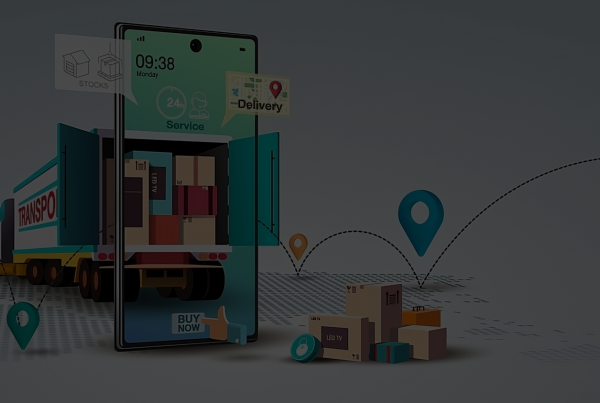
Customers access these services through mobile apps or websites. These platforms provide a user-friendly interface where users can browse products, select items, and place orders.
Order Placement:
Customers choose the desired products or services, customize their orders if necessary, and specify the delivery location. The app calculates the estimated cost, including taxes, fees, and any additional charges.
Assignment:
Once the order is confirmed, the app assigns a delivery driver or courier available in the vicinity. In some cases, an algorithm determines the best match based on proximity, availability, and previous performance.
Real-Time Tracking:
The app provides real-time tracking, enabling customers to monitor the status of their orders and track the location of the delivery driver. This feature enhances transparency and reduces uncertainty.
Delivery:
The assigned driver or courier collects the ordered items from the relevant establishment or retailer. They follow the most efficient route to the customer’s location, leveraging GPS navigation tools and traffic data to optimize the delivery process.
Feedback and Rating:
After the delivery is complete, customers have the option to rate their experience and provide feedback through the app. This feedback helps maintain service quality and provides valuable insights for the service providers.
Payment and Incentives:
Payment is typically processed electronically through the app, ensuring a seamless and cashless transaction. Delivery drivers are often compensated based on factors such as distance traveled, time taken, and customer ratings. Additional incentives may be offered to encourage prompt service and maintain driver engagement.
Benefits of On-Demand Delivery:
The on-demand delivery model offers numerous benefits to both customers and businesses:
Convenience:
It saves time and effort by eliminating the need to travel to physical stores or restaurants.
Expanded Options:
Customers gain access to a wider range of products and services beyond their local area, increasing choice and variety.
Faster Delivery:
With a network of drivers available for immediate dispatch, on-demand delivery ensures quick turnaround times.
Flexibility:
Many on-demand delivery platforms operate 24/7, providing flexibility to customers who may have specific delivery preferences or urgent needs.
Empowering Local Businesses:
It enable small and local businesses to reach a broader customer base, fostering growth and competitiveness.
Conclusion:
On-demand delivery has transformed the way we experience commerce, bringing convenience, speed, and choice to our fingertips. By leveraging technology, efficient logistics, and a vast network of drivers, these services have become an integral part of our daily lives. As consumer demand continues to grow, we can expect further advancements and innovations in the on-demand delivery space, making it an even more integral component of our modern lifestyle.